
The Federal Government’s latest Budget included several announcements relevant to businesses across the solar, battery storage, energy efficiency and EV sectors.
Two are of particular note: the permanent extension of the Instant Asset Write-Off scheme and changes to electric vehicle Fringe Benefits Tax concessions.
Both measures continue to support investment in electrification, energy efficiency and lower operating costs for businesses.
Permanent Instant Asset Write-Off extended
One of the key Budget announcements is the Government’s decision to make the $20,000 Instant Asset Write-Off (IAWO) permanent for eligible small businesses.
Businesses with turnover under $10 million will continue to be able to immediately deduct eligible equipment costing less than $20,000. The threshold applies for each purchase of equipment, allowing businesses to purchase multiple eligible assets under the scheme.
With the scheme now permanent, businesses have much more clarity when planning their future equipment purchases.
How will this benefit your commercial solar business?
For smaller commercial projects under $20,000, customers can write off the cost of equipment in the same financial year the system is purchased and installed, reducing tax liability immediately and improving cash flow.
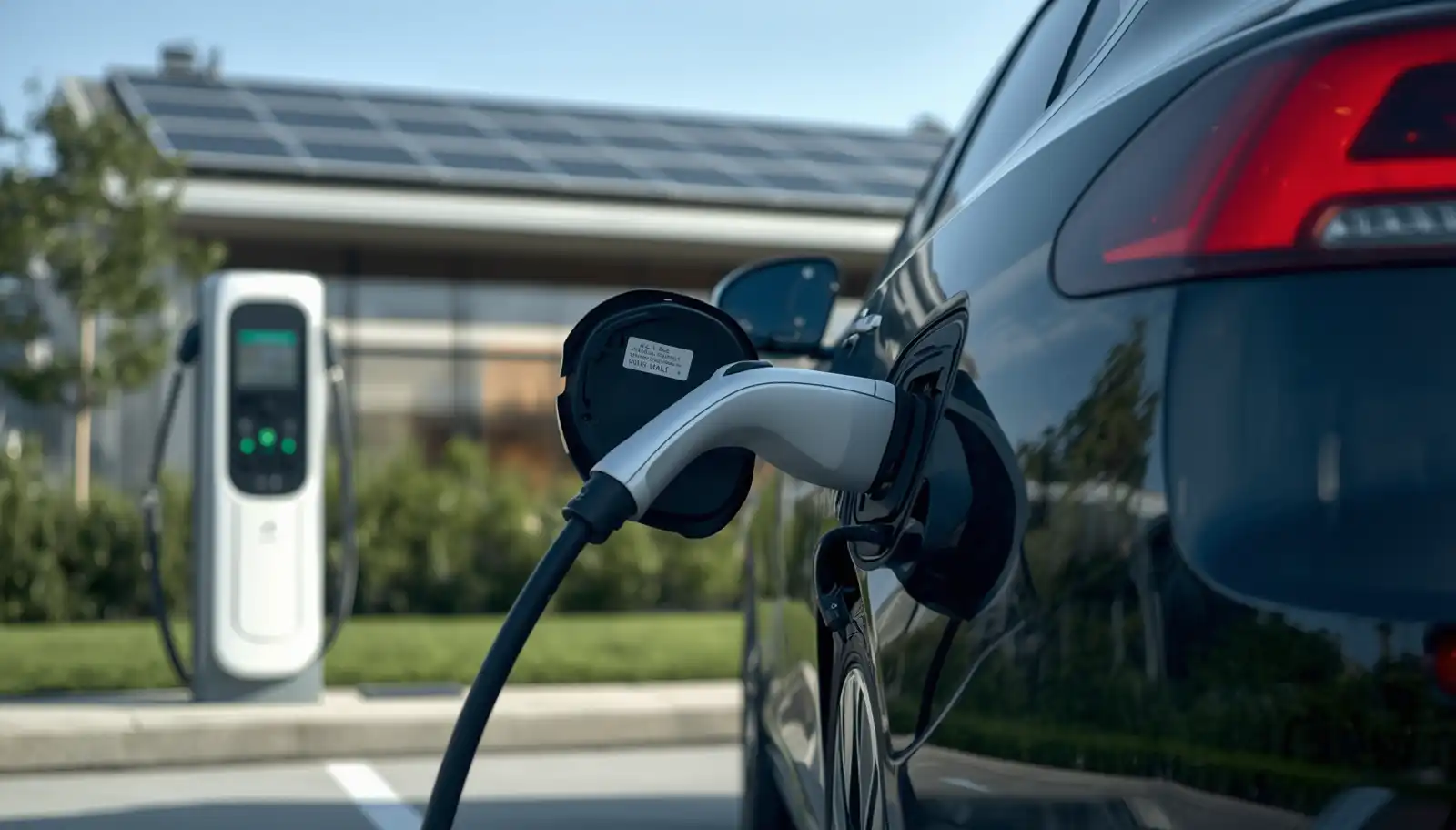
The scheme is particularly suited to smaller solar installations or upgrades, battery storage, HVAC equipment and EV charging infrastructure.
EV Fringe Benefits Tax changes
The Budget confirmed changes to the Fringe Benefits Tax (FBT) treatment of electric vehicles (EVs).
The Government will phase out the current full FBT exemption and move to a permanent 25% FBT discount for eligible EVs.
From 1 April 2027, EVs over $75,000 will receive a 25% FBT discount, while EVs at or under $75,000 will continue to receive a full FBT exemption.
From 1 April 2029, the full FBT exemption for EVs at or under $75,000 will only apply to arrangements that commenced before that date. After this, all eligible EVs will receive the 25% FBT discount.
How will this benefit your commercial solar business?
While the Fringe Benefit Tax concession is being reduced over time, EVs remain significantly cheaper to operate than petrol vehicles.
As a result, demand for EV charging infrastructure is expected to remain strong across commercial and industrial sectors.
The value proposition becomes even stronger when EV charging is integrated with solar and battery storage. Combining onsite solar generation with battery-backed EV charging can help businesses reduce electricity and fuel costs and fleet operating expenses.
The long-term direction remains clear. Businesses are continuing to electrify operations, reduce energy costs, and invest in smarter energy infrastructure, creating ongoing opportunities for solar, storage and EV charging providers.